What Quality Looks Like When Done Right
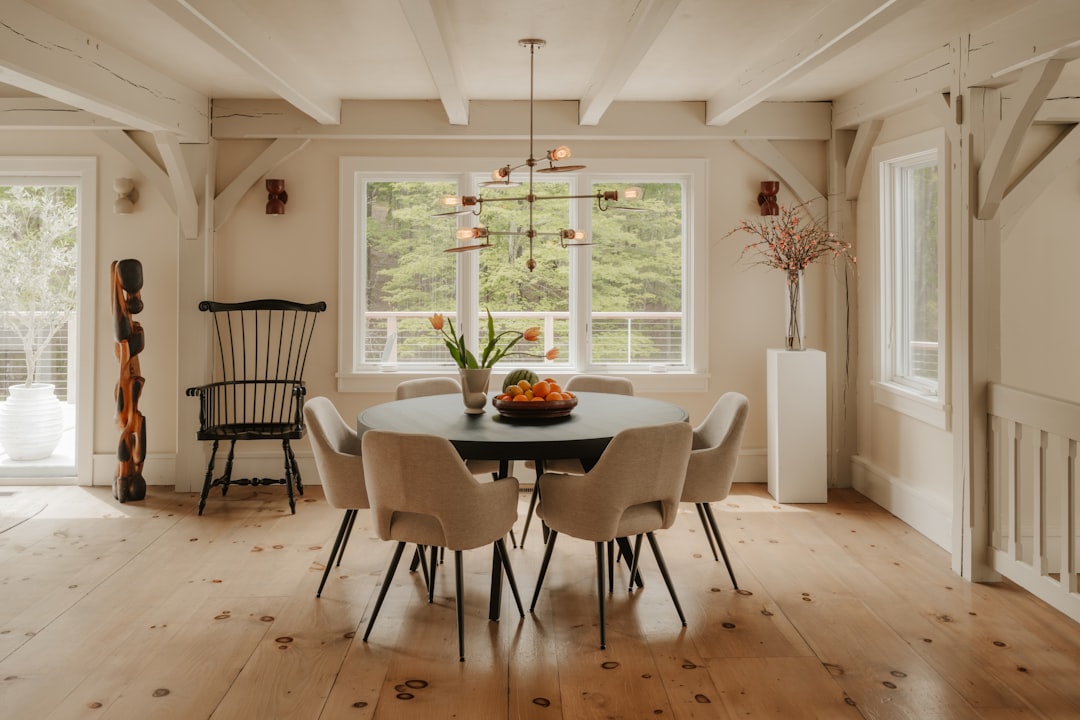
Everything you need to know about wood species, solid construction, and lasting quality.
Walking into a furniture showroom, you face an overwhelming number of choices. Oak or walnut? Solid wood or veneered? Mortise-and-tenon joinery or dowel construction? Without a clear framework, you can end up spending thousands on a piece that looks beautiful but won't hold up to years of daily use. The gap between furniture that looks impressive and furniture that actually lasts comes down to a few critical factors that most shoppers overlook until it's too late.
Explore Our CollectionQuality matters. Pieces made from solid hardwood with traditional joinery command premium prices, but they retain value and function for generations. Budget alternatives may cost less upfront but won't withstand regular use.
See Featured ExamplesBefore you evaluate specific pieces, focus on these foundational factors:
Each species has different hardness, grain patterns, and color characteristics. Your choice affects durability and aesthetics.
Traditional joinery methods cost more but ensure your furniture will not wobble or fail after a few years.
The finish directly impacts how well your furniture resists daily wear, spills, and environmental changes.
Solid wood pieces can be refinished, sanded, and repaired over decades. Veneered plywood cannot. Look under chairs and tables—solid wood shows wood grain throughout. Veneered pieces have a thin veneer layer over plywood core that will chip and fail with heavy use.
Mortise-and-tenon joints (traditional, hand-cut appearance) are strongest. Dowel joints are reliable and common. Pocket holes work but are weaker. Ask the maker directly—they should be proud of their joinery method. Pieces held together only with staples or nails will not last.
Improper wood moisture content causes warping, cracking, and joint failure. Reputable craftspeople kiln-dry hardwood to 7–9% moisture content and allow wood to acclimate to your home's environment. This is invisible to buyers but critical to longevity.
Quality furniture makers stand behind their work with multi-year warranties. A 5–10 year warranty on structural integrity and joinery is standard. Finishes typically have shorter warranties. A maker offering no warranty is a red flag.
"I fell in love with a dining table at a price that seemed too good to be true. Three years of family dinners and spills later, the surface is permanently water-stained, the top has warped, and joints are separating. I should have invested in real quality from the start—it would have cost less in the long run."
— Homeowner, Massachusetts
The biggest error is prioritizing price over construction quality. A $400 particle-board dresser will cost you $2,000 when you need to replace it in five years. A solid wood dresser at $1,200 will look better after 20 years and can be passed down to your children. The math of durability matters.
See Built-to-Last Examples
For readers who want to develop expertise on hardwood furniture selection, we recommend diving into these authoritative resources:
Fine Woodworking remains the definitive resource on furniture craftsmanship, joinery techniques, and wood species characteristics. Their archives contain decades of technique articles from master craftspeople.
When it comes to choosing pieces that fit your room's scale, proportion, and style, the American Society of Interior Designers offers professional guidance on furniture selection and spatial planning that helps you avoid costly mistakes.
Learn Our StandardsBrowse our collection of solid wood furniture, or reach out to discuss your specific needs. We're here to help you make a choice you'll treasure for decades.
Explore Our Furniture